How Seed Companies Can Use Loyalty and Authentication to Build Farmer Stickiness

The seed industry has always been built on trust. A farmer puts months of labour, a season’s investment, and often a family’s livelihood into a few kilograms of seed. When those seeds perform, the relationship deepens. When they fail, the brand is quietly erased from the farmer’s memory. In today’s fragmented agri-input market, where counterfeit seeds circulate freely and margins are under pressure, trust is no longer assumed. It must be designed, protected, and reinforced at every touchpoint.
This is where the thoughtful combination of authentication and loyalty becomes a powerful lever. Not as a marketing gimmick, but as a long-term system for farmer retention, channel confidence, and brand credibility.
This article explores how seed companies can blend QR-based product authentication, farmer loyalty programmes, and channel engagement to build what the industry increasingly calls farmer stickiness. Along the way, it examines farmer psychology, the realities of counterfeit risk, and the growing importance of brand protection, product verification, and traceability in modern agriculture.
The Trust Deficit in the Seed Ecosystem
Over the last decade, the seed market has changed dramatically. Distribution has widened, informal channels have expanded, and digital platforms have added new complexity to supply chain management. While this has increased reach, it has also exposed brands to serious vulnerabilities.
Counterfeit and substandard seeds are a persistent problem across Asia and Africa. Industry studies estimate that 20 to 30 per cent of seeds sold in some developing markets may be fake or illegally replicated. These products often misuse registered trademarks, copy packaging designs, and exploit weak enforcement of IP protection. The impact is not limited to revenue loss. It extends to crop failure, farmer debt, and reputational damage that can take years to repair.
From a farmer’s perspective, the risk is deeply personal. A bad seed is not just a defective product. It is lost yield, wasted fertiliser, and months of uncertainty. When trust breaks, the farmer rarely complains. They simply switch brands.
Understanding Farmer Psychology Beyond Price
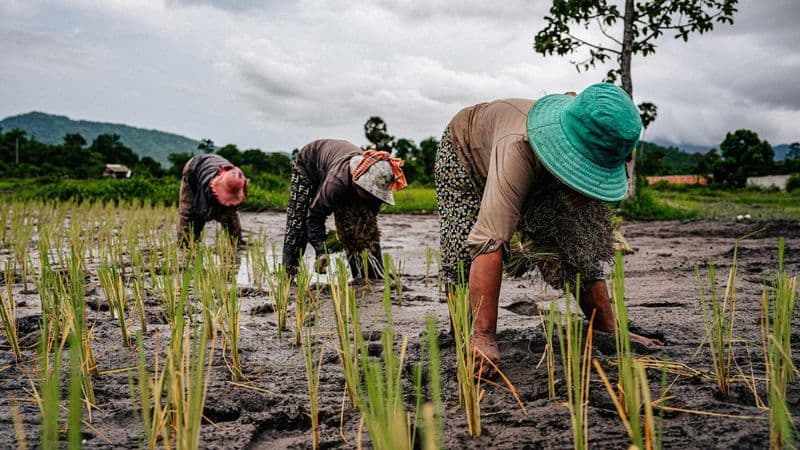
To build loyalty, seed companies must first understand how farmers make decisions. Contrary to popular belief, price is rarely the only factor. Several behavioural patterns consistently emerge across regions.
Farmers value reliability over novelty. They prefer brands that have proven performance across seasons rather than those promising dramatic gains. Peer validation matters enormously. Recommendations from neighbouring farmers or trusted dealers often outweigh advertising. There is also a strong emotional dimension. Seeds are tied to hope, risk, and legacy. Many farmers use the same brand their parents trusted.
Importantly, farmers want respect. They want brands that recognise them as partners, not just buyers. Programmes that acknowledge their purchase, reward their loyalty, and assure authenticity create a sense of inclusion. This is where customer engagement and customer satisfaction intersect with product authentication in a meaningful way.
Why Authentication Is No Longer Optional
Product authentication has moved from being a compliance exercise to a strategic necessity. For seed companies, authentication serves three critical purposes.
First, it protects the farmer. A simple QR or code-based product verification mechanism allows farmers to confirm that what they have purchased is genuine. This directly improves product safety and confidence at the point of use.
Second, it protects the brand. Authentication is a frontline defence against counterfeiting, trademark misuse, and IP infringement. When combined with track and trace capabilities, it enables brands to identify diversion, grey market activity, and leakage across regions.
Third, it generates data. Each verification event becomes a signal. It reveals where products are sold, who is using them, and how often farmers engage with the brand. This data is invaluable for supply chain management, product traceability, and future planning.
In practice, solutions such as Certify enable this by assigning every seed pack a unique, non-cloneable identity, allowing farmers to instantly verify authenticity while giving brands verifiable, item-level visibility across the supply chain.
Non-cloneable technologies elevate this further. Unlike basic QR codes that can be copied, non-cloneable labels create a unique identity for each seed pack. This ensures that authentication cannot be spoofed, even if packaging is replicated. For brands facing organised counterfeit networks, this level of protection is increasingly essential.
From Verification to Relationship: The Role of Loyalty

Authentication solves the problem of trust. Loyalty solves the problem of continuity.
Farmer loyalty programmes have traditionally struggled because they were disconnected from actual product usage. Many relied on dealer-level incentives or bulk schemes that failed to reach the end user. Today, digital authentication bridges that gap.
When a farmer scans a code to verify a seed pack, the brand has a moment of attention. This moment can be transformed into value through a loyalty layer. Points, rewards, agronomy tips, or seasonal benefits can be offered instantly. Over time, this builds a habit. Buy, verify, engage, and benefit.
Platforms such as Bonus are designed for this exact moment, allowing brands to reward farmers only after successful product authentication, ensuring that loyalty benefits are tied exclusively to genuine purchases.
Such programmes work best when they are simple, transparent, and relevant. Farmers respond well to tangible rewards such as mobile recharges, tools, or input discounts. Equally, access to crop advisory content or early information about new varieties strengthens the perception of partnership.
Importantly, loyalty programmes anchored in authentication are harder to game. Only genuine products trigger rewards. This discourages counterfeit trade and reinforces the brand’s commitment to authenticity.
Strengthening Agri Channel Retention
The benefits of combining authentication and loyalty extend beyond farmers to the entire agri channel. Distributors and retailers face increasing pressure from fake products that damage their credibility. When brands provide tools that enable easy verification, channel partners gain confidence.
Track and trace systems further support this by offering visibility into product movement. Seed companies can monitor stock flow, detect anomalies, and respond quickly to diversion. This improves channel discipline without heavy-handed enforcement.
Loyalty elements can also be extended selectively to channel partners, aligning incentives across the ecosystem. When everyone benefits from selling genuine products, the system becomes self-reinforcing.
Brand Protection as a Growth Strategy
Brand protection is often viewed as a defensive cost. In reality, it is a growth strategy. Strong trademark protection, IP protection, and anti-counterfeiting solutions enable brands to invest confidently in innovation and market expansion.
Authentication and verification tools act as public signals of seriousness. They tell farmers and regulators that the brand stands behind its product. In markets where regulatory oversight is uneven, this voluntary transparency builds credibility.
From a compliance perspective, enhanced product traceability also prepares seed companies for evolving global standards. Frameworks such as EUDR and similar traceability mandates are expanding beyond forestry and commodities into broader agricultural inputs. Early adoption of digital verification and track and trace positions brands ahead of regulatory curves.
Integrating Technology Without Overcomplicating the Farmer Experience

One of the biggest mistakes brands make is assuming that sophistication must be visible. Farmers do not need to understand blockchain, AI, or advanced anti-counterfeiting technologies. They only need clarity and ease of use.
The best systems are invisible in complexity but obvious in benefit. A quick scan. A clear confirmation. A reward or message that feels relevant. Behind the scenes, technologies such as non-cloneable identities, secure data infrastructure, and analytics engines do the heavy lifting.
Selective integration of authentication and loyalty modules allows brands to start small and scale. A pilot in one region can validate assumptions before broader rollout. Over time, insights from verification data can inform breeding programmes, demand forecasting, and targeted engagement strategies.
The Long-Term Payoff: Stickiness That Compounds
Farmer stickiness is not built in a season. It compounds over time. Each verified purchase reinforces trust. Each reward reinforces the habit. Each interaction strengthens emotional connection.
Brands that successfully blend authentication and loyalty often see measurable outcomes. Reduced counterfeit complaints. Higher repeat purchase rates. Improved channel compliance. Better customer satisfaction scores. Most importantly, a reputation for reliability that travels farmer to farmer faster than any advertisement.
In a sector where switching costs are low and trust is fragile, these advantages are decisive.
Looking Ahead
The future of the seed industry will be shaped by transparency, accountability, and engagement. Product authentication, brand verification, and loyalty programmes are no longer separate initiatives. Together, they form a cohesive strategy for protecting value and nurturing relationships.
Seed companies that invest in this integrated approach will not only defend their brands against counterfeiting and IP threats. They will build deeper, more resilient connections with the people who matter most: the farmers who plant their seeds and place their trust in them season after season.
The blend of verification, brand protection, and customer engagement is no longer optional. It is the foundation of sustainable growth.
If you are interested in learning more about how authentication, non-cloneable technology, and loyalty-driven engagement can strengthen your brand and farmer relationships, get in touch with us. We would be glad to explore what this could look like for your seed portfolio.