For decades, brand protection lived quietly in the background. Holograms, tamper seals and serial numbers were added to packs to satisfy compliance teams and reassure distributors. Marketing teams, meanwhile, focused on reach, recall and conversions, often treating security as a necessary cost rather than a value creator.
That separation no longer holds.
Today’s consumer scans, checks and verifies. Regulators expect traceability. Marketplaces demand proof of authenticity. Counterfeiters operate with alarming sophistication. In this environment, non-cloneable labels have stepped out of the shadows. What was once a defensive security feature has become a powerful, trust-led marketing asset when used intelligently across campaigns and collaterals.
This shift is not cosmetic. It reflects a deeper change in how brands build credibility, drive customer engagement and protect long-term value.
Why Authentication Now Sits at the Heart of Brand Marketing
Counterfeiting is no longer confined to street markets. According to global enforcement and industry studies, fake products account for over 3 per cent of global trade, with particularly high exposure in pharma, FMCG, automotive parts and consumer electronics. Beyond lost revenue, the hidden costs are severe: compromised product safety, eroded customer satisfaction and irreversible damage to trademarks and IP.
At the same time, consumers have changed their behaviour. Surveys consistently show that over 70 per cent of buyers want to verify product authenticity, especially for health-critical or premium goods. This expectation cuts across geographies and demographics.
Authentication, therefore, is no longer just about risk mitigation. It is about reassurance, transparency and brand verification at the moment of truth. When brands invite consumers to verify, they send a powerful signal: we stand by what we make.
What Makes Non-Cloneable Labels Different
Traditional security labels can be copied. Skilled counterfeiters replicate QR codes, barcodes and even holograms with unsettling accuracy. Non-cloneable labels are designed to break that cycle.
At a technical level, these labels rely on unique, non-replicable patterns or codes generated using advanced algorithms and material science. Each label is singular. It cannot be duplicated, predicted or reused without detection.
From a marketing perspective, this uniqueness is gold.
Every scan becomes a verified interaction. Every verification creates a data point. Every genuine product becomes a secure digital touchpoint between brand and buyer.
This is where product authentication meets modern customer engagement.
Secure QR Codes as a Bridge Between Trust and Interaction

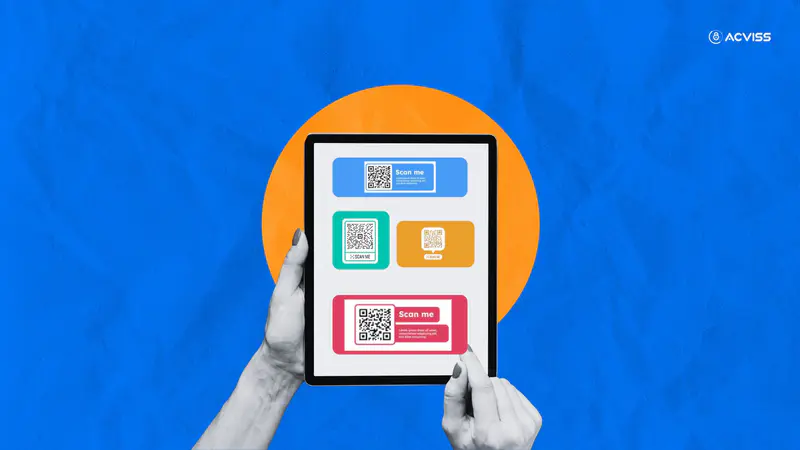
The QR code has become ubiquitous, but not all QR codes are equal. A standard QR code simply redirects. A secure, non-cloneable QR enables product verification, brand authentication and controlled engagement.
When a consumer scans a secure QR label, several things can happen simultaneously:
The product is authenticated in real time.
The consumer sees verified brand information, manufacturing details and product traceability.
The brand captures anonymised interaction data linked to geography, channel and time.
The interaction opens the door to incentives, education or loyalty.
This single scan blends marketing and security without friction.
Campaign Idea 1: “Scan to Verify Before You Buy”
Trust is most fragile before purchase. This is especially true in pharma, cosmetics, alcohol and automotive components where counterfeit risks directly affect product safety.
A “Scan to Verify Before You Buy” campaign places authentication at the shelf level. Collaterals encourage customers to scan the non-cloneable label using their phone. The response confirms product authenticity and highlights brand credentials, certifications and compliance.
For regulated categories such as pharma, this approach supports product verification and patient safety while reinforcing regulatory confidence. For premium consumer brands, it reassures buyers that they are paying for the real thing.
Brands using this approach often report higher conversion rates in high-risk markets and a measurable reduction in counterfeit complaints.
Campaign Idea 2: “Scan to Win” Without Sacrificing Security
Promotions have long been exploited by counterfeiters. Copy the code, flood the market, dilute the campaign.
Non-cloneable labels change the equation.
A “Scan to Win” campaign built on secure QR technology ensures that only genuine products can participate. Each scan is authenticated before the reward logic is triggered. Duplicate or cloned attempts are automatically rejected.
From a customer engagement perspective, this creates a fair and credible experience. From a brand protection standpoint, it closes a major vulnerability.
The added advantage lies in insight. Brands gain visibility into which regions, distributors and product batches are driving engagement, feeding valuable intelligence into supply chain management and future campaign planning.
Campaign Idea 3: Regional Promotions with Built-In Traceability

Regional promotions are notoriously difficult to control. Leakage across markets erodes margins and undermines distributor trust.
Linking non-cloneable labels to track and trace systems helps design region-specific campaigns that only activate within defined geographies. A scan outside the intended market can trigger an alert or display a verification message highlighting potential grey-market activity.
This approach strengthens product traceability while enabling localised marketing. It also supports compliance initiatives such as EUDR requirements, where proof of origin and controlled distribution are increasingly critical.
Turning Authentication into Storytelling
Security does not have to be silent. In fact, some of the most effective campaigns treat authentication as part of the brand narrative.
A verified scan can reveal:
The origin of raw materials.
Manufacturing date and facility.
Quality checks passed.
Sustainability or ethical sourcing claims.
This is product authentication as storytelling. It transforms verification into a moment of transparency that builds brand authentication and emotional connection.
Brands that do this well report higher dwell times on verification pages and improved brand recall, particularly among younger, digitally native consumers.
The Strategic Importance of Brand Protection
It is tempting to treat brand protection as a backend function. That is a mistake.
Trademark protection and IP protection underpin long-term brand equity. When counterfeits circulate freely, even the strongest marketing budgets struggle to compensate for lost trust.
Non-cloneable authentication solutions act as a first line of defence. They help brands detect counterfeit infiltration early, identify compromised supply chain nodes and take targeted action. Over time, this intelligence feeds into stronger anti-counterfeiting solutions and technologies that evolve with the threat landscape.
From a boardroom perspective, this is risk management. From a marketing perspective, it is reputation insurance.
Where Solutions Like Certify and Engagement Fit Naturally

The most effective implementations do not bolt marketing onto security or vice versa. They integrate both from the outset.
Non-cloneable authentication solutions such as Certify enable brands to issue unique, verifiable identities to each product. This supports product verification, brand verification and supply chain transparency without adding complexity for the end user.
When combined with an engagement layer, the same secure interaction becomes a channel for rewards, education and loyalty. Customers are not just verifying authenticity. They are participating in a trusted brand ecosystem.
Used judiciously, these tools reinforce customer satisfaction while maintaining the integrity of the authentication process.
Measuring What Matters
One of the most overlooked advantages of secure QR marketing is measurement. Traditional campaigns track impressions and clicks. Authentication-led campaigns track trust.
Key metrics include:
Verification rates by product and region.
Repeat scans indicate post-purchase engagement.
Detection of duplicate or fraudulent scan attempts.
Correlation between verified scans and repeat purchases.
These insights feed directly into supply chain management, marketing optimisation and brand protection strategy.
Looking Ahead: Security as a Competitive Advantage
As counterfeiters become more organised and consumers more sceptical, the brands that win will be those that treat authenticity as a promise, not a footnote.
Non-cloneable labels sit at the intersection of product safety, customer engagement and brand trust. They allow brands to speak confidently, verify transparently and engage responsibly.
What began as a security feature has evolved into a strategic marketing asset.
Final Thoughts and Next Steps
The conversation around product authentication, brand protection and customer engagement is changing. Verification is no longer an internal control. It is a customer-facing commitment.
Brands that embrace this shift will not only reduce risk but also strengthen relationships, protect trademarks and unlock new marketing possibilities rooted in trust.
If you are interested in learning more about how non-cloneable labels, secure QR codes and authentication-led campaigns can support your brand, get in touch with us. The opportunity to turn security into a strategic advantage has never been clearer.