5 Dashboards Every Brand Should Use After Implementing Traceability
Traceability programmes are often launched with the right intent but the wrong expectation. Many brands believe the hard work ends once a track-and-trace system is deployed. In reality, that is when the real work begins.
Traceability does not create value by existing quietly in the background. It creates value when data is observed, questioned, interpreted, and acted upon. Dashboards are the lens through which this happens. They turn millions of scans, movements, and verifications into signals that brand teams can understand and respond to.
For brands operating in high-risk sectors such as pharma, FMCG, agrochemicals, automotive, and regulated exports under frameworks like EUDR, dashboards are not optional. They are the difference between visibility and blindness.
This article walks through five essential dashboards every brand should actively use after implementing product traceability. These dashboards focus on authentication analytics, supply chain visibility metrics, and behavioural insights that directly support brand protection, product safety, customer satisfaction, and IP protection.
Why Dashboards Matter in Brand Protection and Product Authentication
Counterfeiting, diversion, and grey market activity thrive in data gaps. Traditional supply chain management systems were built to manage inventory, not to verify authenticity or expose abuse patterns.
Modern anti-counterfeiting solutions generate high-volume, high-frequency data through product authentication and product verification events. Each scan tells a story. Who scanned, where, when, and under what context?
Dashboards help brands:
Detect counterfeit activity earlier
Validate distributor and channel behaviour
Strengthen trademark protection and IP protection
Improve customer engagement and trust
Demonstrate compliance and product safety
The following five dashboards form a practical foundation for any mature track and trace programme.
1. Product Authentication and Scan Activity Dashboard
This is the first dashboard most brands encounter, and often the most misunderstood.
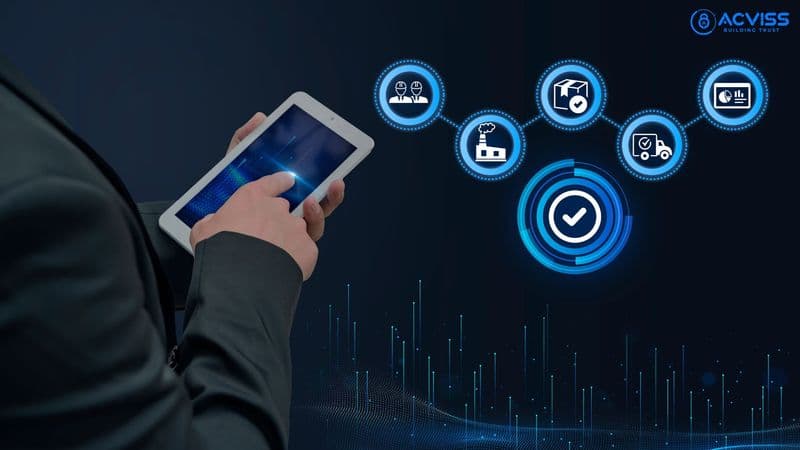
At its core, this dashboard tracks every authentication and verification event generated by your products in the market. It answers a deceptively simple question: are people scanning your products, and what happens when they do?
What This Dashboard Shows
Total scans over time, daily, weekly, and monthly
Unique versus repeat scans
First-time verification rates
Scan success versus failure ratios
Authentication method used: QR, secure code, or non-cloneable identifier
Why It Matters
In pharma and regulated industries, product authentication is directly linked to patient safety. A spike in failed verifications or repeated scans from different devices can indicate counterfeit circulation.
For consumer brands, scan frequency is also a proxy for customer engagement and brand verification trust. Industry studies suggest that products with visible authentication features see up to 30 to 40 per cent higher post-purchase engagement when the experience is simple and credible.
What to Watch Closely
Sudden surges in scans from unexpected channels
High repeat scans on the same code
Drop-offs in scan volume after packaging changes
When paired with non-cloneable technology, this dashboard becomes significantly more powerful. Unlike static identifiers, non-cloneable markers ensure each authentication event corresponds to a genuinely unique product identity, reducing false positives and strengthening IP protection.
2. Geographic Traceability and Market Heatmap Dashboard
Traceability is incomplete without geography. This dashboard visualises where your products are being authenticated across regions, cities, and even pin codes.
What This Dashboard Shows
Scan density by country, state, and city
Unexpected market appearances
Export versus domestic scan patterns
Cross-border movement signals
Why It Matters
Geographic dashboards are essential for brand protection teams dealing with parallel trade and diversion. For example, a pharma product intended for one regulated market appearing consistently in another can indicate leakage or unauthorised redistribution.
Under EUDR and similar regulatory frameworks, traceability data linked to geography also supports compliance by demonstrating product origin and movement integrity.
What to Watch Closely
Hotspots emerging outside authorised territories
Repeated scans near ports, border towns, or trade hubs
Markets showing high scan activity without corresponding sales data
When connected to blockchain-backed track and trace systems such as Origin by Acviss, geographic dashboards gain evidentiary value. Each location event is time-stamped, tamper-resistant, and auditable, which strengthens regulatory defensibility and trademark protection.
3. Anomaly and Risk Detection Dashboard
This dashboard is where traceability shifts from visibility to intelligence.
Anomalies are patterns that do not align with expected product behaviour. They are rarely obvious when viewed as isolated events. Dashboards make them visible at scale.
What This Dashboard Shows
Duplicate code scans across distant locations
Time-based impossibilities, such as rapid sequential scans
Unusual authentication failures
Scan clustering around non-consumer locations
Why It Matters
Most counterfeit incidents are detected too late, often after customer complaints or regulatory intervention. Anomaly dashboards enable early detection, sometimes weeks earlier than traditional methods.
Research across global anti-counterfeiting deployments shows that automated anomaly detection can reduce counterfeit exposure windows by up to 60 per cent.
What to Watch Closely
Same product verified in two regions within impossible timeframes
High-risk anomalies concentrated around specific batches
Patterns repeating across product lines
This is where non-cloneable technology proves its value. Since identities cannot be copied, anomalies signal genuine supply chain breaches rather than identifier duplication. This clarity reduces investigation time and improves enforcement accuracy.
4. Distributor and Channel Behaviour Dashboard

Traceability is not only about products. It is about people and partners.
This dashboard analyses how distributors, wholesalers, and channel partners interact with traceable products.
What This Dashboard Shows
Scan activity by distributor or channel
Stock movement velocity
Verification gaps between shipments and retail scans
Channel-wise anomaly frequency
Why It Matters
Many brand protection issues originate from within authorised networks rather than external counterfeiters. Unauthorised reselling, grey market diversion, and stock manipulation often leave digital footprints.
This dashboard supports better supply chain management by introducing accountability without confrontation. Data replaces suspicion.
What to Watch Closely
Distributors with unusually low scan visibility
Regions where products appear without recorded handovers
Channels with recurring anomalies or delayed scans
For brands managing large distributor ecosystems, this dashboard often becomes a catalyst for healthier partner conversations and more resilient supply chain governance.
5. Returns, Warranty, and After-Sales Verification Dashboard
Returns and warranty claims are one of the most underestimated risk zones in product authentication.
Counterfeit products frequently enter systems through fake warranty claims, returns fraud, or service abuse.
What This Dashboard Shows
Verification status of returned products
Warranty claims by product identity
Rejected claims due to authentication failure
Correlation between returns and specific regions or channels
Why It Matters
In sectors like pharma, medical devices, and electronics, unauthenticated returns pose serious product safety risks. Industry audits indicate that up to 20 per cent of warranty claims in high-risk categories may involve unauthorised or counterfeit goods.
This dashboard protects both brand reputation and operational margins while improving genuine customer satisfaction by streamlining legitimate claims.
What to Watch Closely
Repeated claims against the same product identity
High rejection rates from specific service centres
Geographic clustering of failed verifications
By tying after-sales workflows to product verification, brands extend IP protection beyond the point of sale and close a critical loophole.
Bringing It All Together: Dashboards as a Living System
Dashboards are not reports to be reviewed once a month. They are living systems that evolve as threats evolve.
When traceability dashboards are used in isolation, their impact is limited. When used together, they create a multi-dimensional view of product behaviour across the entire lifecycle.
The most mature brands treat dashboards as strategic assets, not operational tools. They inform packaging decisions, channel strategies, enforcement priorities, and customer engagement design.
They also change organisational mindset. Conversations shift from assumptions to evidence, from reactive responses to proactive brand authentication and protection.
Final Thoughts and a Practical Next Step
Product traceability is no longer just about knowing where a product has been. It is about understanding how it behaves, how it is trusted, and how it is protected.
Dashboards make that understanding possible.
If your organisation has invested in track and trace, product authentication, or brand verification technologies but is not actively using these five dashboards, much of the value remains untapped.
If you are interested in learning more about how advanced traceability, non-cloneable authentication, and intelligent analytics can strengthen brand protection, product safety, and customer trust, get in touch with us. We would be glad to explore how your data can start working harder for your brand.