Authentication programmes often begin with urgency. A counterfeit incident surfaces. A regulator raises questions about Product traceability. A distributor reports duplicate serial numbers. Leadership responds with Anti-counterfeiting solutions. A Track and trace system is deployed. Unique codes are printed. Product Verification becomes technically possible.
Then the organisation moves on.
Six months later, the system is still operational, yet behaviour has not changed. Warehouse staff occasionally bypass scanning during peak dispatch. Sales teams assume trusted distributors do not require Product Authentication. Customer service approves warranty claims without validating serial data. New employees are told authentication is important, but they are not shown how it connects to product safety, Brand protection or IP Protection.
Technology has been implemented. Culture has not.
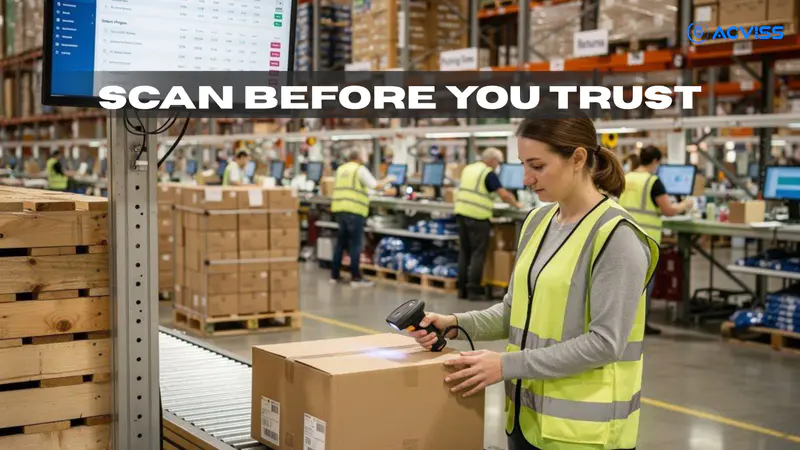
The difference between a successful authentication strategy and a symbolic one lies not in the sophistication of the system, but in whether “Scan Before You Trust” becomes embedded across the organisation.
This is a culture change challenge, not a software deployment.
Why Authentication Culture Is a Strategic Imperative
The global trade in counterfeit goods is estimated to exceed $500 billion annually. In pharma, counterfeit medicines account for up to 10 per cent of the market in some regions. The financial implications are severe. The implications for product safety and public health are far more serious.
Counterfeit infiltration erodes:
Brand Authentication credibility
Customer satisfaction
Long-term customer engagement
Regulatory standing
Many organisations respond with robust technologies. Yet industry experience shows that digital initiatives underperform when internal adoption is weak. Studies consistently indicate that over half of transformation efforts fail to achieve the intended impact due to behavioural gaps.
Product Authentication systems are no different.
If scanning is optional, irregular or treated as an administrative burden, Product traceability collapses under pressure. A system that is bypassed cannot protect IP or safeguard product safety.
Defining the “Scan Before You Trust” Mindset

A scan-first mindset is not a slogan. It is a behavioural rule. It means no assumption replaces verification.
Operationally, this translates into:
No inbound goods accepted without Product Verification
No outbound shipments dispatched without authentication
No warranty claims processed without serial validation
No distributor complaints closed without trace confirmation
The mindset reframes verification from suspicion to professionalism. It establishes data as the primary source of trust.
In mature organisations, authentication discipline becomes as routine as quality inspection or safety compliance.
The Five Phases of Cultural Integration
Transforming authentication from project to culture requires deliberate progression.
Phase 1: Awareness Through Evidence
Employees must understand the magnitude of counterfeit risk. This requires transparent communication.
Present:
Internal case studies of counterfeit detection
Financial losses associated with unauthorised distribution
Regulatory consequences of traceability failure
Real-world examples from the pharma and manufacturing sectors
Tie the data to internal vulnerability. When employees recognise that counterfeit infiltration threatens revenue, customer safety and Brand protection, authentication gains context.
Phase 2: Operational Clarity
Cultural change fails when expectations are vague.
Each department must understand precisely how Product Authentication integrates into its workflow.
Warehouse operations require defined scanning checkpoints. Production supervisors must verify raw materials before integration. Commercial teams should authenticate sample units before presentation. Customer service must treat Product Verification as a prerequisite for claim approval.
Document these requirements formally. Integrate them into standard operating procedures. Make scanning a mandatory workflow step rather than an optional safeguard.
Phase 3: Leadership Modelling
Cultural norms follow visible behaviour.
If senior managers prioritise dispatch speed over verification discipline, employees will mirror that choice. If leadership reviews Product traceability dashboards and discusses authentication metrics in operational meetings, the signal changes.
Leaders must:
Reference scan compliance data
Address duplicate detection incidents openly
Reinforce Product safety obligations
When authentication is treated as strategic governance rather than technical detail, adoption deepens.
Phase 4: Reinforcement Through Systems
ERP systems and Track and trace platforms must support behavioural expectations.
Systems should:
Log every scan event
Record operator identity
Flag duplicate or suspicious activity
Provide real-time Product traceability history
Data visibility accelerates cultural integration. When managers can monitor verification compliance, authentication shifts from an abstract principle to a measurable discipline.
Regular reporting embeds accountability.
Phase 5: Incentives and Consequences
Cultural adoption requires reinforcement.
Organisations can integrate authentication compliance into:
Department-level KPIs
Performance appraisals
Recognition programmes
Equally important is accountability. Persistent bypassing of Product Authentication must trigger review. If scanning is treated casually, culture weakens.
Balance recognition with responsibility.
Embedding Authentication Into Onboarding

Culture formation begins at entry.
New employee induction should include:
Overview of Brand Protection Strategy
Explanation of Anti-counterfeiting solutions deployed
Demonstration of Track and Trace tools
Practical training in Product Verification
Rather than presenting authentication as a technical feature, frame it as an organisational value.
New hires should understand that safeguarding Trademark and IP Protection is a collective responsibility.
Early exposure reduces future resistance.
Certify and the Importance of Non-Cloneable Identity

Behavioural discipline must be matched by technological credibility.
Certify by Acviss enables secure Product Authentication through non-cloneable identity principles. Each product unit carries a unique identity that cannot be replicated through simple duplication. This strengthens Product Verification integrity across the supply chain.
When employees scan a product, they interact with a system capable of detecting code duplication in real time. This reinforces confidence in the process.
If codes are easily copied, scanning becomes symbolic. When non-cloneable technology underpins authentication, verification becomes meaningful.
Certify integrates with Supply chain management infrastructure and ERP systems, enabling authentication events to be logged, monitored and analysed.
Robust technology strengthens cultural adherence.
Extending Authentication Culture Across the Supply Chain
Authentication cannot remain internal.
Distributors, retailers and logistics partners must align with scan-first principles.
Encourage channel partners to:
Verify inbound stock
Participate in Track and Trace reporting
Share anomaly alerts
Integrate Product Verification into their workflows
Shared responsibility strengthens Product traceability across the network.
In regulated sectors such as pharma, alignment is not merely beneficial. It is essential for compliance.
Linking Authentication to Customer Experience
Internal scanning discipline influences external perception.
When customers scan products and receive instant Brand Authentication confirmation, trust increases. When counterfeit goods reach end users due to internal oversight, customer satisfaction declines sharply.
Employees should understand that Product Authentication supports customer engagement. It is not simply operational hygiene. It is brand stewardship.
Organisations that communicate verification capability transparently often experience stronger customer loyalty.
Measuring Cultural Progress
Cultural integration must be tracked.
Key indicators include:
Scan compliance rates across departments
Reduction in counterfeit detection incidents
Warranty fraud decline
Audit success rates for Product traceability
Employee awareness scores
Quarterly reviews maintain momentum.
If compliance drops, investigate root causes. Culture requires continuous reinforcement.
Addressing Common Barriers
Resistance often arises from three perceptions.
First, scanning slows operations. Demonstrate average verification time and compare it with recall costs and reputational damage.
Second, that trusted partners do not require verification. Reinforce that Product Authentication protects relationships rather than undermines them.
Third, that systems are complex. Invest in intuitive interfaces and provide floor-level support.
Ease of use encourages adherence.
From Compliance Obligation to Organisational Identity
Authentication projects have implementation timelines. Culture has no expiry.
Anti-counterfeiting solutions, Track and trace infrastructure and Product traceability technologies provide the capability. Certify and non-cloneable identity systems provide security. But culture determines consistency.
When “Scan Before You Trust” becomes instinctive across warehousing, production, commercial teams and customer service, Brand protection evolves from departmental responsibility to shared ethic.
Product safety improves. IP Protection strengthens. Customer satisfaction stabilises.
Authentication ceases to be reactionary. It becomes preventive governance.
If you are ready to transform Product Authentication from a technical initiative into a company-wide norm, interested to learn more, get in touch with us.