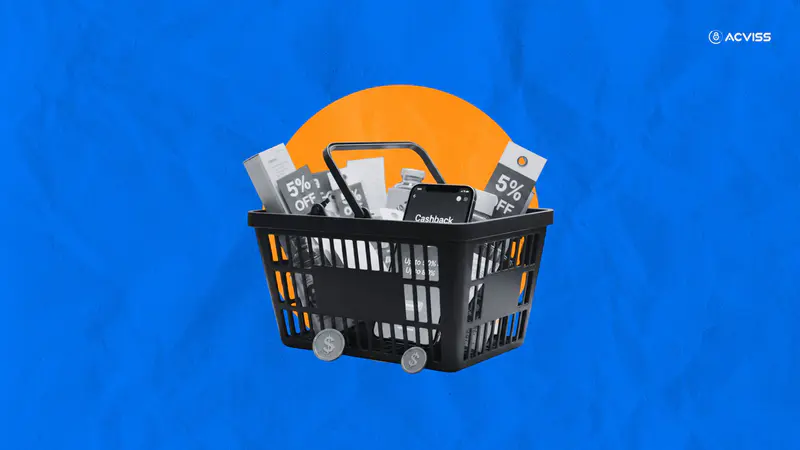
Personalisation has quietly shifted from being a marketing advantage to a commercial necessity. Dealers, distributors, retailers, and even end customers now expect incentives that recognise their behaviour, not blanket schemes that reward everyone equally. Yet for manufacturers and brand owners operating across complex supply chains, personalisation at scale feels difficult, expensive, and risky.
This is where a scheme builder approach comes in. It combines rule-based logic, supply chain traceability, and secure product verification to create personalised incentive programs that are scalable, measurable, and resistant to fraud. When designed well, such programs do more than boost sales. They improve customer satisfaction, strengthen brand protection, and bring much-needed visibility into manufacturing operations and downstream markets.
Why traditional incentive programs no longer work
Most incentive and loyalty programs were built for simplicity. A dealer sells a certain volume, and they get a fixed reward. A customer buys repeatedly, and they earn points. These models break down at scale for three reasons.
First, they lack relevance. A small regional distributor and a national distributor are rarely motivated by the same reward. According to McKinsey, personalisation can drive revenue growth of 10 to 15 percent when executed correctly, particularly in B2B environments where incentives influence buying behaviour more strongly than advertising
Second, they are vulnerable to fraud. Without product authentication or brand verification, incentive claims can be inflated using grey-market stock, counterfeit products, or manipulated invoices.
Third, they operate in silos. Sales incentives, customer loyalty programs, and supply chain management often run on separate systems, creating blind spots and disputes.
A personalised incentive program must address all three challenges simultaneously.
What a scheme builder approach really means
A scheme builder is not just a digital form where incentives are configured. It is a rule-based engine that connects incentive logic to real-world actions across the supply chain.
At its core, a scheme builder allows brands to define conditional rules such as:
If a dealer sells verified products above a defined threshold, then unlock a higher incentive tier.
If a retailer sells a slow-moving SKU within a specific geography, then issue a targeted reward.
If a customer verifies a product using product authentication, then trigger a loyalty benefit.
The key difference lies in verification. Actions are not assumed. They are validated through product verification, supply chain traceability, and, where required, laboratory or compliance systems such as LIMS integration.
This creates end-to-end visibility, from manufacturing to the last point of sale.
Rule-based logic explained with real-world examples
Rule-based logic sounds technical, but its strength lies in clarity.
Consider a personalised dealer incentive program in manufacturing.
If a dealer scans and verifies 500 genuine units of a specific batch within 30 days, then issue a cash-back reward.
If a dealer sells only authenticated products in a high-risk counterfeit region, then offer bonus points or exclusive access to new inventory.
If a distributor maintains zero counterfeit incidents over a quarter, then escalate them to a premium loyalty tier.
These rules link incentives directly to brand-safe behaviour. They reward compliance, not just volume.
For customer loyalty programs, the logic works similarly.
If a customer verifies a product using a secure QR or non-cloneable label, then add loyalty points.
If repeat verification confirms consistent usage of genuine products, then unlock extended warranties or service benefits.
If verification data indicates abnormal patterns, such as repeated scans from different locations, then flag potential fraud automatically.
This approach aligns customer engagement with product safety and brand authentication.
Read on How to Design Loyalty Programmes That Actually Reach Rural India
Why personalisation matters in supply chain management

Supply chains are no longer linear. Products move through multiple intermediaries, often across borders. This complexity creates opportunities for leakage, diversion, and counterfeiting.
The OECD and EUIPO estimate that counterfeit and pirated goods account for up to 2.5 per cent of global trade
While this data is widely cited, many brands underestimate how incentives unintentionally enable the problem. Poorly designed schemes can reward sales that originate from unauthorised channels.
By integrating supply chain traceability into incentive logic, brands gain control.
Incentives are issued only for products traced back to authorised manufacturing operations.
Product verification confirms authenticity before rewards are released.
Non-compliant supply chain nodes are automatically excluded from schemes.
This is brand protection in practice, not theory.
Non-cloneable labelling as the backbone of trust
Personalisation collapses without trust. If the system cannot reliably tell a genuine product from a fake one, incentives become liabilities.
Non-cloneable labelling technology solves this problem by assigning each unit a unique, tamper-resistant identity. Unlike traditional QR codes or serial numbers, these labels cannot be copied at scale.
When scanned, they enable:
Product authentication by dealers and customers
Brand verification at every transaction point
Offline protection in low-connectivity regions, with sync when connectivity returns
This capability is critical in markets where offline sales dominate, yet fraud risks are high.
Automated loyalty programs without operational chaos

One fear brands have is that personalised schemes will overwhelm teams with administration. In reality, automation reduces complexity.
A rule-driven scheme builder automates reward issuance, validation, and reporting.
Dealer incentives are triggered automatically when verified thresholds are met.
Customer loyalty rewards are issued instantly after product authentication.
Fraud prevention rules run continuously in the background.
According to Salesforce, 73 per cent of customers expect companies to understand their unique needs, yet only 51 per cent believe brands do so consistently
Automation bridges this gap without adding manual overhead.
Integrating incentives with manufacturing operations and LIMS
In regulated industries such as pharmaceuticals, agrochemicals, and food manufacturing, incentives cannot operate independently of compliance.
Linking incentive programs to manufacturing operations and LIMS ensures that rewards align with quality and safety.
Only batches that pass quality testing are eligible for incentives.
Dealers selling compliant products are prioritised in loyalty schemes.
Traceability data supports audits and regulatory reporting.
This integration improves product safety while reinforcing trust across the ecosystem.
Where brand protection solutions fit naturally
Brand protection should not sit outside incentive programs. It should be embedded within them.
This is where solutions such as the Bonus by Acviss fit naturally into a scheme builder approach. Rather than acting as a separate loyalty tool, it plugs into existing product authentication and supply chain traceability systems.
Its role is focused and specific:
Enable secure, rule-based incentives linked to verified products
Prevent misuse through non-cloneable technology
Support both dealer incentives and customer loyalty programs without duplicating data
The emphasis remains on solving the brand’s problem, not showcasing the tool.
Fraud prevention as a built-in outcome

Fraud prevention should not rely on audits after the damage is done. In a scheme builder model, it is proactive.
Duplicate scans are detected instantly.
Geographic mismatches trigger alerts.
Incentive abuse patterns are identified early through analytics.
According to PwC, companies lose an estimated 5 per cent of annual revenue to fraud globally. By tying incentives to verified actions, brands reduce this loss while improving customer satisfaction.
Measuring what truly matters
Traditional programs measure participation. Personalised incentive programs measure behaviour.
Key metrics include:
Percentage of verified product sales
Reduction in counterfeit incidents
Improvement in dealer compliance
Increase in authenticated customer engagement
These metrics feed back into the scheme builder, allowing continuous refinement.
Incentives as a strategic asset, not a giveaway
Personalised incentive programs at scale are not about rewarding everyone more. They are about rewarding the right behaviour consistently.
A rule-driven scheme builder approach transforms incentives into a strategic lever for brand protection, supply chain traceability, and customer engagement. When combined with product verification, non-cloneable labelling technology, and seamless integration across manufacturing operations, incentives stop being risky and start becoming reliable.
Brands that invest in this approach gain more than loyalty. They gain visibility, control, and trust across their entire value chain.
Interested in learning more? Get in touch with us to explore how secure, personalised incentive programs can work for your brand.